English
 Français
 Deutsch
 Nederlands
 Norsk
 Polski
 Español
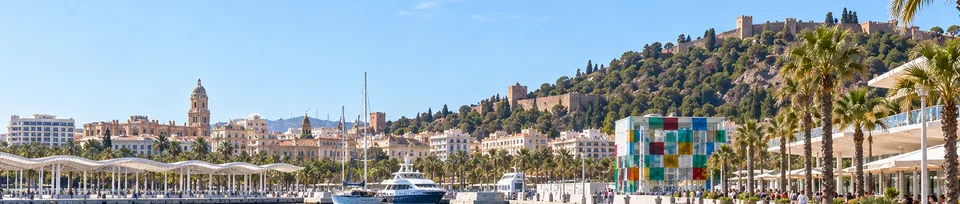
Malaga Port
Malaga Port
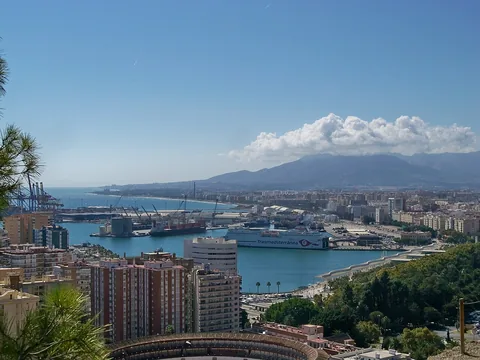
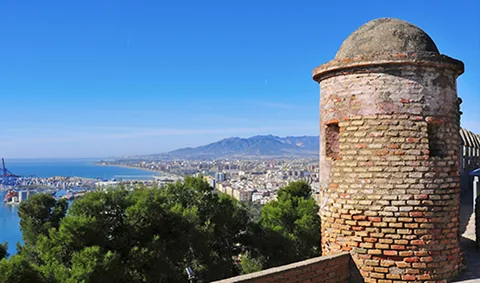
From its beginnings as a trading port, Málaga developed into a port for commercial shipping, ferries and cruise vessels.
The modern transformation brought public waterfront spaces to Muelle Uno and the Palmeral de las Sorpresas, both opened in 2011.
Visitors arriving at Malaga airport can continue to the city by train, bus, taxi or car.
History of the Malaga Port
The Phoenician settlement of Malaka developed around the bay and maritime trade.
Fishing, metalworking, pottery and salted-fish production grew alongside maritime trade.
Phoenician, Punic and Roman traders successively shaped the port’s early history.
From Malaga came minerals, wine, fish favoring development and commercial port expansion.
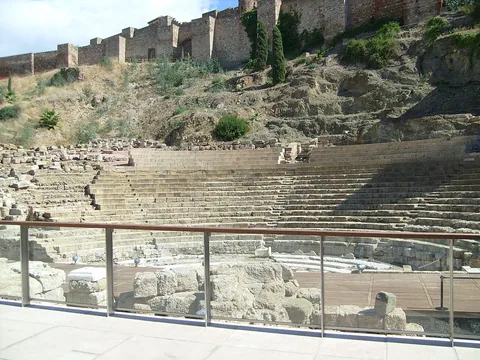
In Roman times, the port exported agricultural products, salted fish and garum to other Mediterranean ports.
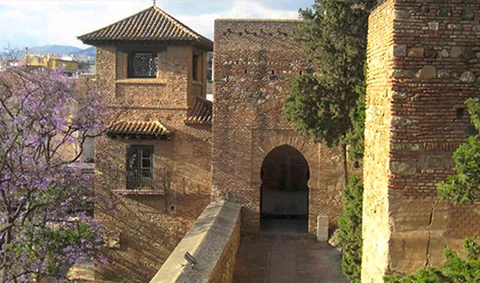
Under Islamic rule, Málaga strengthened its Mediterranean trading links. The Alcazaba developed above the city and port.
The Catholic Monarchs took Málaga in 1487 after a siege by land and sea.
Harbour works were authorised in 1545. Construction of a major new breakwater began in 1588, repeatedly challenged by storms and sediment from the Guadalmedina.
Philip V ordered work to resume in 1717 under engineer Bartolomé Thurus. The first stone of the San Felipe quay was laid in 1718.
Money was scarce, and, what little they had, was used often in repairing the wreckage of the river Guadalmedina.
Under Carlos III, engineers worked to increase the port’s capacity and improve the city’s waterfront.
Since the 19th century, the port gradually expanded and increased its port activity. Until in the XXI century it underwent its great remodeling.
The modern port accommodates commercial shipping and cruise vessels, alongside public waterfront spaces.
Its story follows Málaga’s development from an ancient trading settlement into a port with commercial, passenger and recreational uses.