English
 Français
 Deutsch
 Nederlands
 Norsk
 Polski
 Español
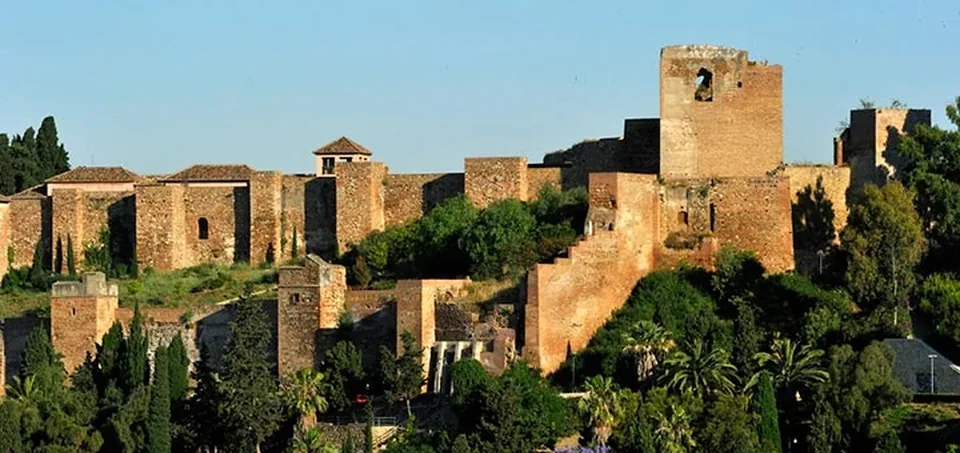
Alcazaba of Malaga
Alcazaba
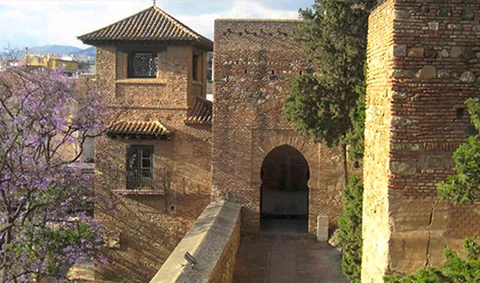
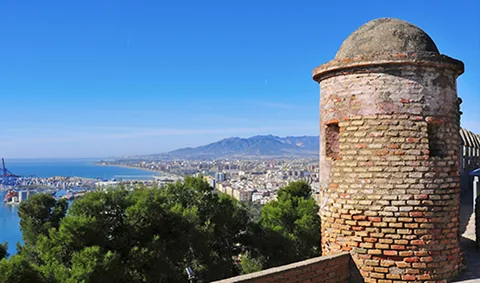
The Alcazaba is a fort that belongs to the Muslim period.
It is located on a mountain called "Gibralfaro".
This fortress went through a process of construction that lasted several generations.
The surviving palace-fortress took shape mainly in the 11th century, with further changes during the Nasrid period.
After a long period of deterioration, it was declared a Historic Artistic Monument on 3 June 1931. Restoration work began in 1933.
Another Alcazaba you can see in Malaga is the Alcazaba of Antequera.
History of the Alcazaba
The development of the Alcazaba can be followed through four broad stages:
- The Islamic palace-fortress, with major works in the 11th century and later Nasrid reforms.
- After the conquest of 1487, when it continued in military and administrative use.
- Decline and civilian occupation, particularly from the 18th century.
- Protection and restoration, following its declaration as a monument in 1931.
The Hammudid rulers began major palace works in the 11th century. Badis Ben Habús, king of the Zirid taifa of Granada, strengthened the defences after taking Málaga in 1056.
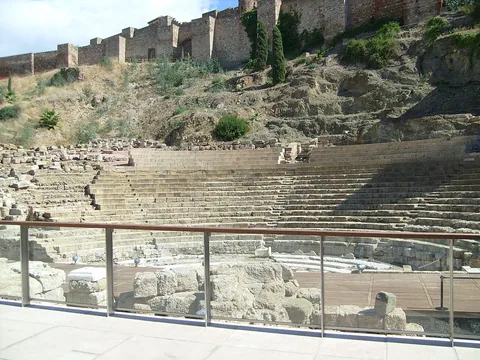
The Hammudid caliphs established their seat in Málaga during the breakup of the Caliphate of Córdoba. The hill also had earlier Phoenician and Roman occupation, distinct from the surviving Islamic palace-fortress.
The Alcazaba passed through Almoravid and Almohad rule before forming part of the Nasrid Kingdom of Granada.
During the siege of Málaga in 1487, the Alcazaba remained a Muslim stronghold until the city's surrender to the Catholic Monarchs.
In the year 1487 the Catholic kings entered the city.
According to tradition, the image of the Virgin of Victory associated with Ferdinand’s camp was a gift from Maximilian of Habsburg. Its precise origin remains debated.
The Virgin of Victory is the patron saint of Málaga, and her association with the city is linked to the events of 1487.
The citadel deteriorated over time. Its restoration began in 1933, following its protection as a monument in 1931.